
By: Matthew Winograd
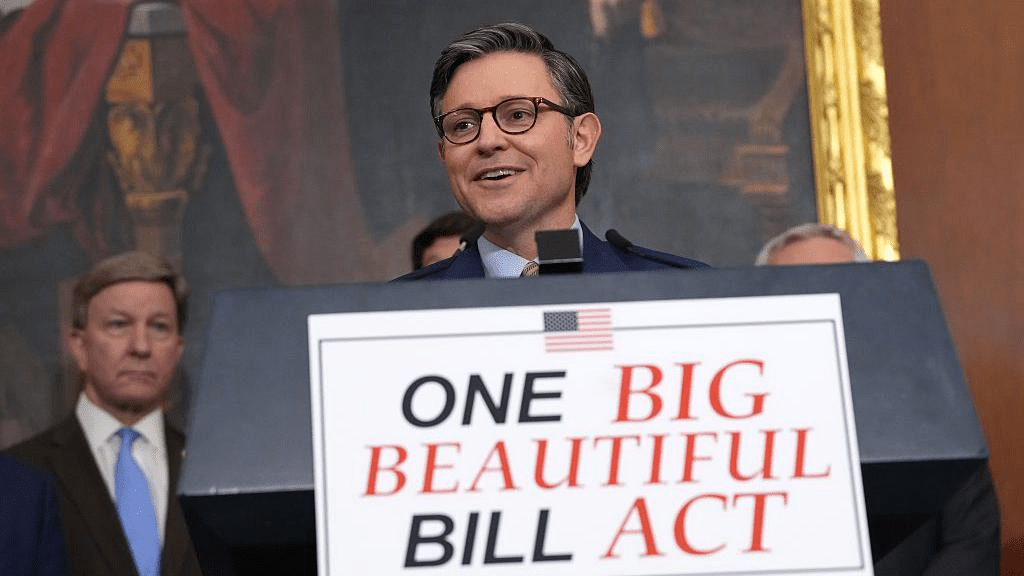
Recent days and weeks have seen a massive push from conservatives for the Big Beautiful Bill Act, a 900+ page tax and spending bill. This bill has been the subject of much scrutiny, whether that be criticism from progressives, rare criticism from conservatives, general confusion about what is included in the bill, and speculation as to whether or not this bill will pass. Republicans have set a goal of passing this bill into law by July 4th, but as is for any legislation, it must first pass in both the House of Representatives and the Senate before the president can sign it into law. In the early hours of May 22, the bill was passed by the House of Representatives in a narrow 215-214 vote. Now the bill is being debated on the senate floor, awaiting approval.
What does this bill include?
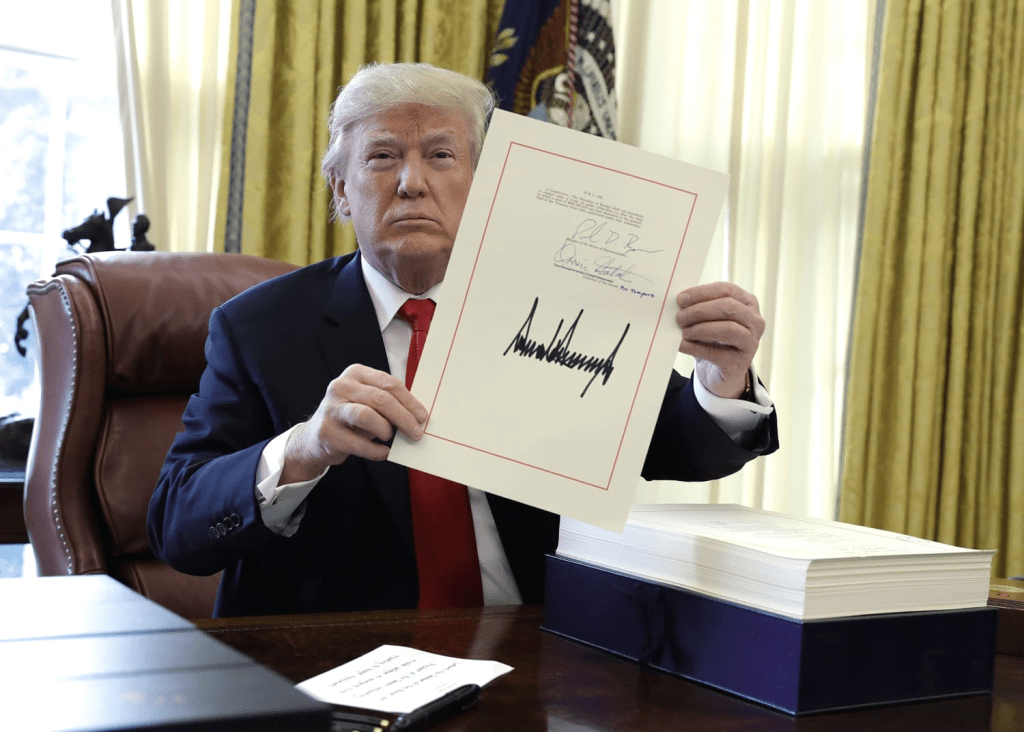
The bill focuses on enacting much of what Donald Trump promised in his campaign. The bill, if enacted, would extend Trump’s 2017 Tax Cuts and Jobs Act, the signature legislation of Trump’s first term. Additionally, Trump plans on delivering on campaign promises by increasing defense spending, energy production, and border security. To pay for these costly changes, the bill will cut some programs for healthcare and nutrition.
What are the conflicts over?
Critics of this bill specifically point to two aspects of this bill as problematic.
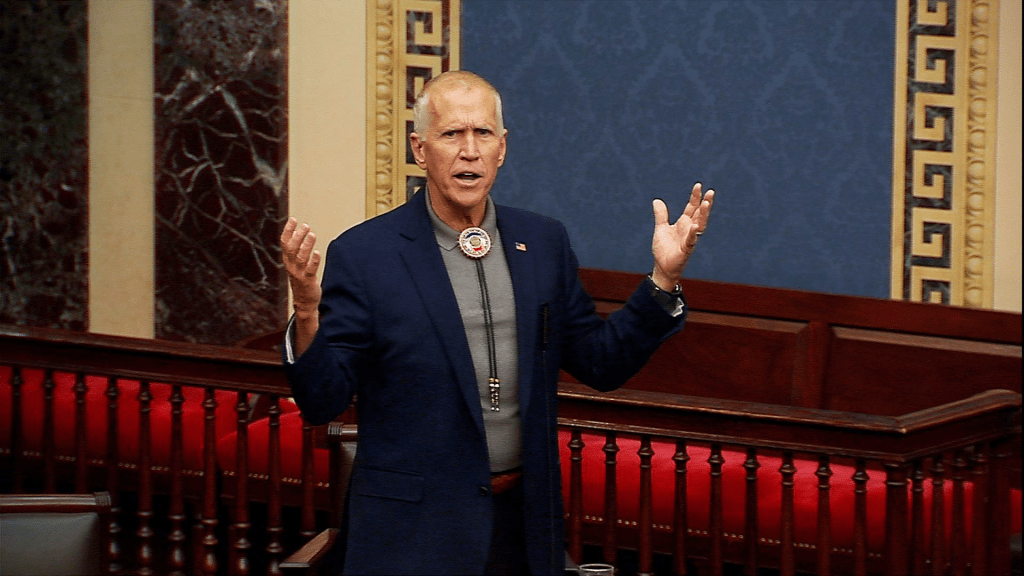
Firstly, the cuts to Medicaid have been criticized by members of both parties. Medicaid is government funded healthcare that approximately 70 million low income individuals rely on. The bill proposes a reduction in Medicaid funding and requirements for those on Medicaid, like some able-bodied people being required to be employed to qualify for Medicaid. Most Democrats oppose any form of cuts to Medicaid, and as such, they are opposed to this aspect of the bill. Some Republicans, like Senator Thom Tillis (R-NC), have also expressed opposition to the cuts proposed in this bill. Tillis has committed to abstaining from any vote on this bill as long as the bill contains some of the specific cuts to Medicaid (in the case of Tillis the provider tax).
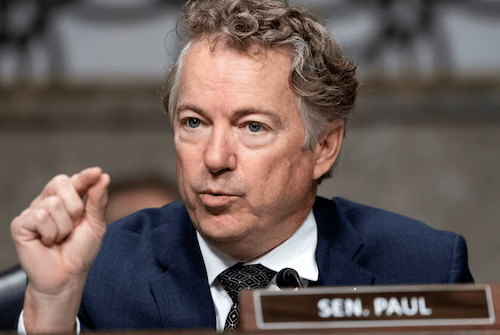
Secondly, the bill is projected to increase the national debt by a significant margin. The nonpartisan Congressional Budget Office (CBO) projects that the current version of the bill will increase the national debt by $3.3 billion by 2034. This projection has caused more opposition to the bill and may make it harder to pass it in the Senate. Notably, Rand Paul (R-KY) has said that he will not vote in favor of this bill because of the debt increase.
The Big Beautiful Bill is controversial, and if implemented, will have massive impacts. Senate Republicans may struggle to pass it by the July 4 deadline, but those in opposition to the bill have been threatened. President Trump has taken to social media to attack both Rand Paul and Thom Tillis, promising to support other candidates in their respective primary elections. Thom Tillis, in the wake of this, has stated that he won’t run for reelection. Many expect this bill to pass because it has become clear that for a Republican senator, voting no on this bill may disrupt, if not ruin, their career. Leading Republicans are committed to passing this bill by July 4. Will they be able to? What changes are they willing to make to pass this bill?
Sources:
https://www.cbsnews.com/news/whats-in-trump-big-beautiful-bill-senate-version/
https://www.theguardian.com/us-news/2025/jun/30/thom-tillis-big-beautiful-bill-medicaid-cuts-trump
https://apnews.com/article/cbo-trump-tax-bill-republicans-senate-5f591bea21bd95eec45ba90c93c50687

 politicsblog.org
Leave a reply to sienaruske Cancel reply