By: Matthew Winograd
The Federal Reserve Bank is the central bank of the United States. One of its primary roles is to supervise and regulate banks. These regulations are important for a multitude of reasons, but primarily they serve to prevent future financial crises. Additionally, the Fed controls interest rates, meeting eight times a year to make policy decisions headlined by the decisions regarding interest rates. The Fed needs to balance short term growth, typically associated with cutting interest rates, and controlling longer-term trends, like inflation. The Fed is not a government agency and its employees are therefore not government employees, and this status as an independent entity is crucial in preserving its non-partisan decision making.
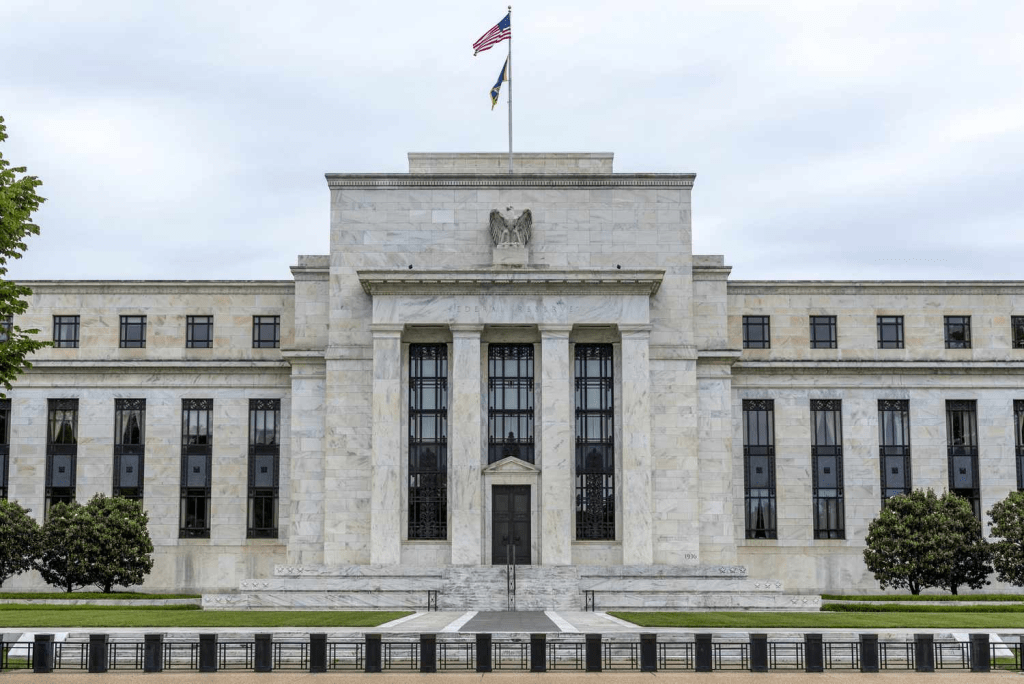
The legitimacy of the Fed as an independent institution is being threatened by the pressure President Trump is putting on the Fed. Trump has pushed hard for months for the Fed to cut interest rates and has threatened replacing Fed chair Jerome Powell, the man Trump himself appointed in his first term. Trump, in theory, should not be able to remove Powell, as the Fed chair can only be removed “with cause.” No president in the history of the United States has ever removed a sitting Fed chair. Beyond the threats to Powell, Trump has pushed for the firing of a member of the Fed Board of Governors, Lisa Cook, to further exercise and demonstrate his power. Direct government involvement in the Fed is a serious threat, and if Trump were able to institute Fed governors and chairs that would listen to him, economic stability would be threatened and the legitimacy of the Fed as an independent entity would be virtually erased.
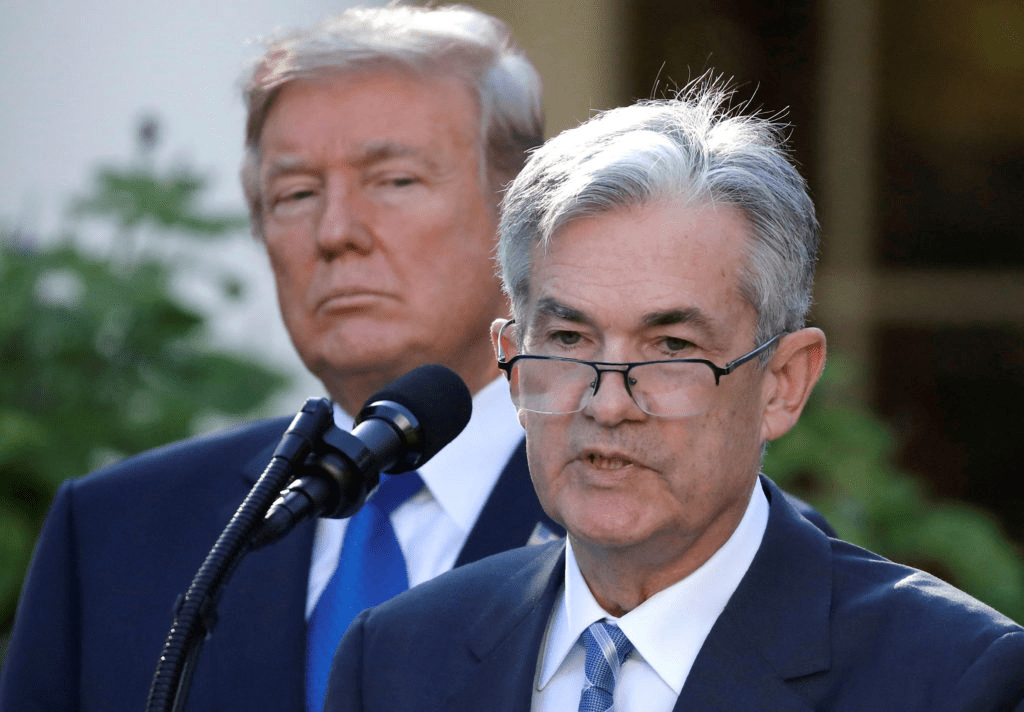
The Fed losing legitimacy would have substantial effects in both the long and short term. Trump would try to cut rates aggressively and frequently to stimulate growth, which, in the short term would help the market, but would increase inflation in the long term. Additionally, the market depends on the Fed being independent and would struggle if its legitimacy were in question. Trump taking more power over the Fed could have international impacts, potentially setting a precedent for other nations to exercise greater control over their central banks, which would lead to international financial instability and potentially global economic crisis. Independent central banks historically have lower inflation rates and this is because they are willing to make unpopular decisions that overlook the short term benefits that come with frequent rate cuts. The long term benefits aren’t as important for elected officials as the effects won’t manifest as sharply in their time in leadership positions. The willingness to make unpopular decisions is fundamental to the Fed, to the US economy, and indeed to the world economy, and for that reason, the legitimacy of the Fed as an independent institution is absolutely vital.
 politicsblog.org
Leave a comment