By: Matthew Winograd
On April 2, US president Donald Trump announced his long-promised “reciprocal tariffs,” taxes on imported goods. These tariffs had a baseline tax of 10% on imports from all nations, and higher rates for dozens of nations that run trade surpluses with the US. Trump’s goals with these tariffs appear unclear and somewhat inconsistent.
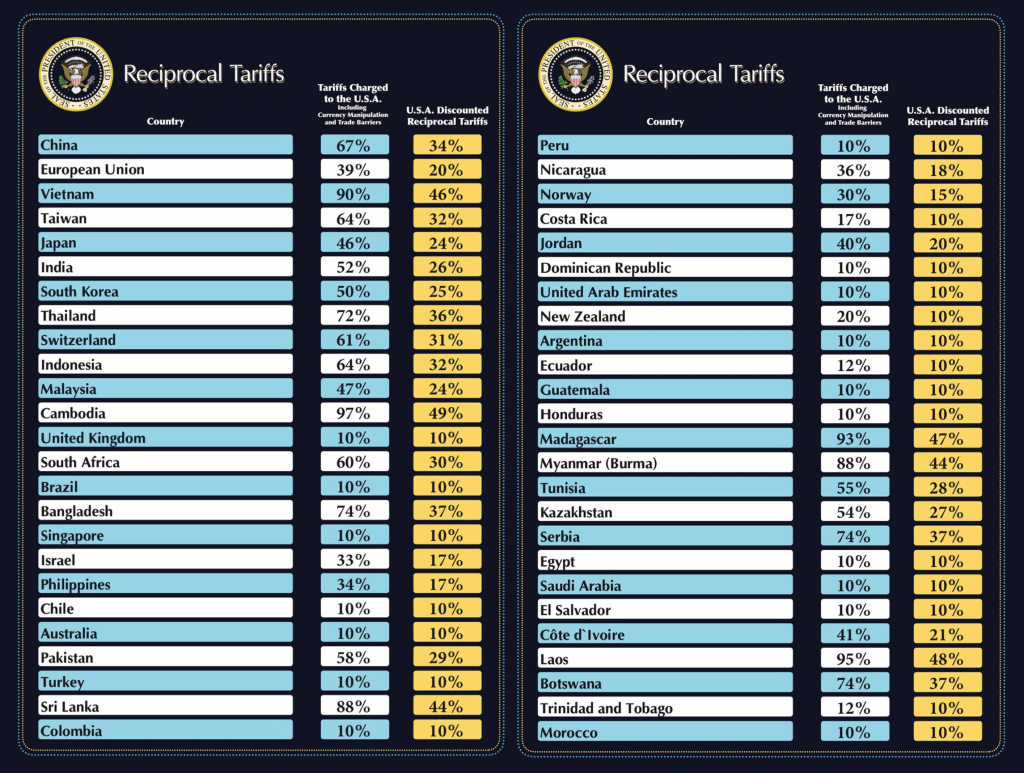
His foremost goal with these tariffs is to increase domestic production, stimulating economic growth. Throughout history, we’ve seen high tariffs enacted in times of change to promote domestic production. Around the turn of the 20th century, president William McKinley enacted high tariffs which were successful in stimulating growth and production. However, the state of the US in McKinley’s time was very different from the current state of the US. At that time, the US was emerging from the post-Civil War reconstruction period, and the nation was looking to expand and modernize economically. The tariffs contributed to industrialization, which in turn led to increased urbanization, as many black sharecroppers moved north and west.
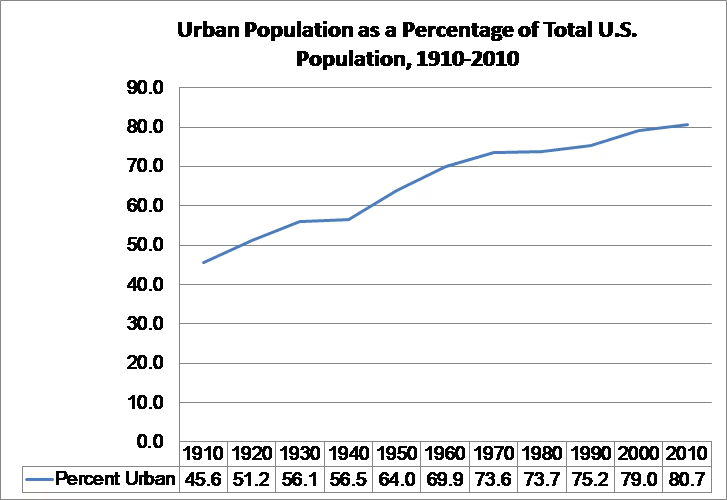
Today, we aren’t faced with the same, or even a similar situation to the early 1900s. In the year 1900, a mere 40% of the United States lived in urban areas. In comparison, in 2020 that number had increased to nearly 83%. The modern-day United States can’t rely on the workforce that it could in the early 20th century, especially considering Trump’s immigration policies, as approximately 20% of factory workers in the United States are immigrants. Beyond the question of jobs, the issue on everyone’s mind today is that of cost. The cost of producing goods domestically is significantly higher than importing goods. Trump has displayed a consistent misunderstanding of how tariffs work, stating multiple times that other countries will pay tariffs imposed on them. In reality, tariffs increase the price of production, prompting companies to raise prices, which in turn leads to higher costs for consumers. This process is expected to increase inflation. Current forecasts now predict inflation rates to spike to 4%, an increase from last year’s 2.9% and 1.5% higher than they were projected to be without tariffs. Trump aggressively criticized Joe Biden for the inflation that occurred during his presidency, yet his most impactful economic policy is projected to increase inflation significantly.
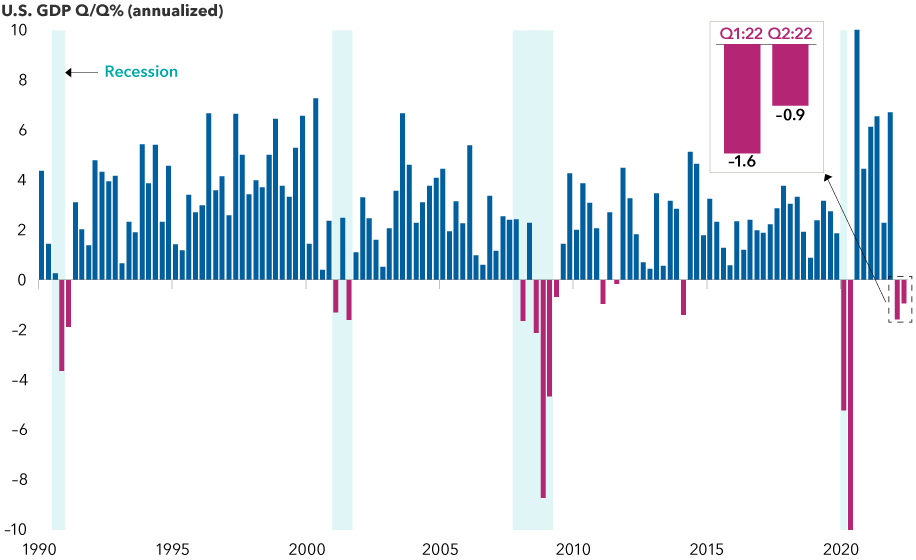
Much of the talk and concern these days is over the potential for a recession. This term is thrown around a lot, but what really is a recession? Technically a recession is when the GDP decreases for two consecutive quarters, meaning that the overall size of our economy gets smaller. In the United States, recessions are called by the National Bureau of Economic Research (NBER). Both JP Morgan and Barclays, along with many leading financial experts, now predict a recession will happen. In the first quarter, the United States GDP grew by a measly 0.3%. Financial experts expect this number to decline as the year goes on, and many believe that this decline will be substantial enough to be considered a recession.
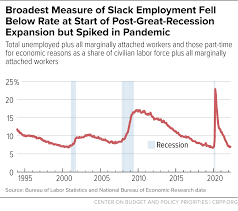
What does a recession mean for consumers? Everyone feels the effects of a recession. In many cases, since the economy contracts, unemployment rises as companies lay off workers due to unsustainable labor costs. The stock market is typically hit quite hard in a recession which means millions of Americans will lose money. The stock market is already struggling mightily as a result of Trump’s tariffs. In the last 2 months, the S&P 500 has dropped a whopping 17%. On April 3, the day after Trump announced his reciprocal tariffs, it dropped 4.8%, the largest single-day decline since the crash of the stock market in 2020 at the onset of the COVID-19 pandemic.
Trump’s tariffs have already had major effects, costing stockholders trillions of dollars. Historical analysis suggests that these tariffs are bad policy, but Trump is holding strong in his goal of increasing domestic production. We don’t know whether or not a recession is coming but we do know that, as things stand, it’s everyday citizens and consumers who are struggling, and these struggles can be drawn directly back to Donald Trump’s reciprocal tariffs.
Sources
https://www.pbs.org/newshour/economy/a-timeline-of-trumps-tariff-actions-so-far
https://www.cnbc.com/2025/04/03/trump-tariffs-goals-deficit-jobs.html

 politicsblog.org
Leave a comment